
Within 24 hours of a meal, a thin biofilm coats a dog’s teeth; by 48–72 hours it begins to mineralize into tartar that locks bacteria against the gums. By middle age, many dogs already have periodontal pockets, bone loss on dental X-rays, and breath that signals infection more than diet.
If you’re deciding how to approach dog dental cleaning, here’s the short version: daily brushing plus periodic professional cleanings under anesthesia prevent most serious disease. The rest of this article explains the mechanisms, trade-offs, schedules, and costs so you can plan with confidence.
Why Dental Health Matters In Dogs
Periodontal disease starts with plaque bacteria embedded in a biofilm that forms on teeth hours after eating. When not disrupted, minerals in saliva turn plaque into calculus (tartar), which creates a rough surface that holds even more bacteria. These bacteria migrate under the gumline (the subgingival area), triggering inflammation that dissolves the ligament and bone anchoring the tooth. Left unchecked, this process causes gum recession, pain, and eventual tooth loss.
Veterinary groups commonly estimate that a large majority of dogs show some degree of periodontal disease by age three. The exact percentage varies across studies and populations, but the trend is consistent: small and brachycephalic breeds (e.g., Yorkshire Terriers, Chihuahuas, Bulldogs) develop disease earlier due to crowded teeth, shallow roots, and altered skull shape. A six-year-old toy breed that never had professional care will often show radiographic bone loss in multiple teeth even if the crowns look normal.
Oral infection doesn’t just stay in the mouth. Chewing and even routine brushing can cause transient bacteremia (bacteria entering the bloodstream). In dogs with severe periodontal disease, histologic changes in kidneys, liver, and heart valves have been reported, though proving a direct causal link is challenging. Still, reversing oral inflammation reduces a continuous bacterial load and chronic pain, which improves quality of life and may reduce systemic risk in vulnerable patients.
What A Professional Dog Dental Cleaning Involves (And Why Anesthesia)
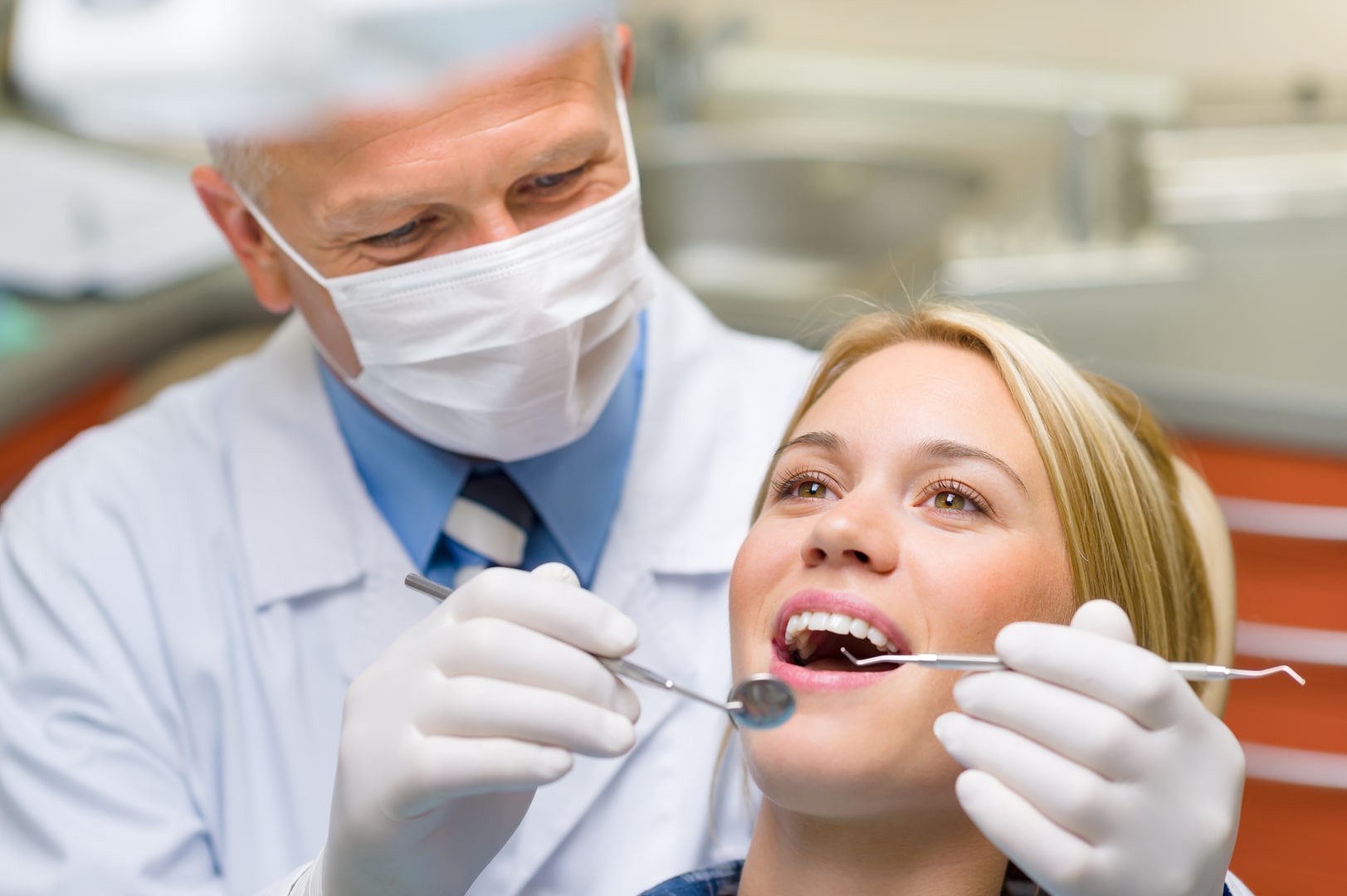
A complete professional cleaning is a multi-step, anesthetized procedure designed to diagnose and treat disease rather than just remove visible tartar. After a physical exam and pre-anesthetic bloodwork, an intravenous catheter is placed, the dog is intubated to protect the airway, and continuous monitoring starts (oxygen saturation, blood pressure, ECG, temperature, capnography). Local nerve blocks are often used to minimize pain and reduce general anesthetic requirements.
The oral cavity is then charted tooth-by-tooth. A periodontal probe measures pocket depth (normal is roughly 1–3 mm in dogs; deeper pockets suggest attachment loss). Full-mouth dental radiographs are standard of care because more than 25–50% of tooth structure is below the gumline; fractures, resorptive lesions, and root infections hide on X-rays even when the crown looks fine. Ultrasonic and hand instruments remove plaque and calculus from above and, crucially, below the gumline. The teeth are polished to slow bacterial reattachment; any diseased teeth may be extracted, often with sutures and additional local anesthetic.
Anesthesia is not a luxury here; it is what allows subgingival cleaning and accurate diagnostics without causing stress or pain. Published estimates put anesthetic-related mortality in healthy dogs on the order of 0.05–0.1%, increasing with age and systemic disease; modern protocols, vigilant monitoring, and individualized drug choices reduce risk further. For a typical adult dog, instrument time ranges from 45–120 minutes depending on tartar, radiograph needs, and extractions.
Costs vary by region and complexity. A routine cleaning with radiographs in North America often runs $300–$1,000; extractions, advanced imaging, and extended anesthesia can push totals higher. While costlier than a quick polish, the value comes from detecting hidden disease, removing subgingival infection, and preventing painful crises that later require emergency extraction.
Non-Anesthetic Cleanings: Cosmetic Versus Medical
Non-anesthetic dental services (often marketed as “awake” cleanings) can scrape visible tartar from tooth surfaces but cannot safely probe pockets, take radiographs, or thoroughly remove plaque below the gumline. Many dogs tolerate only brief handling, which encourages superficial scaling that looks better but leaves infection in place.
This is the central trade-off: cosmetic improvement versus medical treatment. For dogs that cannot undergo anesthesia due to unstable health, a superficial cleaning may reduce odor and buy time, but it should be framed as palliative. When anesthesia is reasonably safe, the long-term disease control from a true cleaning is far better than a series of cosmetic scrapes.
Home Care That Actually Moves The Needle
The most effective at-home tool is tooth brushing because it disrupts plaque before it matures. Daily is ideal; three to four times per week still materially reduces tartar. Use a soft-bristled brush or finger brush and a pet toothpaste (enzymatic formulations help; human toothpaste contains fluoride and xylitol risks for dogs). Most dogs accept a 60–90 second session with gradual training: start by touching the gums, introduce paste as a reward, then add brief brushing strokes, especially on the upper outer molars where tartar accumulates fastest.
Dental chews work by mechanical abrasion and, in some products, chemical agents. Look for items validated by an independent review standard (for example, products recognized to reduce plaque or tartar). As a safety rule, avoid chews harder than your thumbnail can dent; antlers, hooves, and cooked bones commonly cause slab fractures of the upper carnassial (fourth premolar). Calorie count matters: one large chew can add 50–150 kcal, which is 10–20% of a small dog’s daily needs. Adjust meals to avoid weight gain.
Dental diets use larger kibble designed to resist shattering and scrub teeth as well as additives (like polyphosphates) that bind calcium to slow tartar formation. Controlled trials show meaningful but moderate reductions in plaque and calculus versus standard diets; they help most when combined with brushing. Water additives and gels have mixed evidence: some reduce plaque scores, others do little beyond freshening breath. If you try them, reassess in 4–6 weeks if gum redness and odor persist, they’re not sufficient.
Time and habit drive results. A realistic starter plan: brush 4 nights a week, offer a validated chew on non-brush days, and reassess breath and gum color every month. If your dog resists brushing, try flavor changes, a silicone finger brush, or a two-step phase-in (smear paste on gums for a week, then add brief strokes). If pain or bleeding occurs, stop and schedule an exam; pain often signals a hidden lesion that requires professional care.
How Often And For Whom: Tailoring A Plan
Cleaning intervals depend on risk. Low-risk dogs (larger breeds, normal occlusion, healthy gums after age two) often do well with professional dog dental cleaning every 12–24 months plus regular brushing. Moderate-risk dogs (small or brachycephalic breeds, mild gingivitis, plaque despite brushing) benefit from 6–12 month intervals. High-risk dogs (toy breeds with crowding, prior extractions, diabetes, chronic kidney disease, or immunosuppression) may need 6-month cleanings and stricter home care.
Practical signs to watch: persistent halitosis after two weeks of brushing, visible tartar at the gumline, red or bleeding gums, a tooth that appears longer (gum recession), or chewing on one side only. Any of these warrants an exam with dental radiographs. Remember that crowns can look clean while roots are infected; a dog with a fractured slab of the upper fourth premolar may still eat but wince when the area is touched.
Weigh anesthesia risks against ongoing infection rather than against “doing nothing.” For a healthy middle-aged dog, the absolute risk of a supervised anesthetic event is low and often outweighed by the certainty of progression if disease is ignored. For geriatric or medically fragile dogs, choose a hospital with advanced monitoring, consider pre-op stabilization (e.g., blood pressure control, fluid therapy), and discuss shorter anesthetic plans with staged extractions if needed.
Budgeting helps avoid delay: set aside a monthly amount equal to 1–2% of annual household pet spend to cover cleanings and possible extractions. Note that many accident-and-illness pet insurance policies exclude routine dental cleanings but may cover extractions if tied to accident or disease; wellness add-ons sometimes reimburse part of cleaning costs. Ask your clinic for an itemized estimate that includes radiographs and potential extractions so you’re not surprised.
Conclusion
Adopt a simple rule: brush most days, schedule professional dog dental cleaning at an interval matched to your dog’s risk (6–24 months), and escalate to a veterinary exam with radiographs if breath, gum color, or chewing behavior worsens. This combination prevents painful disease, reduces future costs, and keeps problems from hiding below the gumline where you can’t see them.